Bpc 157 Tablets Is BPC-157 tablet safe?
Is BPC-157 Tablet Safe? A Cautious Consumer Review for Men 35–44
Quick take: if you’re searching “Is BPC-157 tablet safe?” you’re right to be cautious. BPC-157 is not an FDA-approved medication for most uses, and oral products can differ widely in purity, dose accuracy, and labeling. The most realistic safety issues for typical buyers often come from product quality, uncertain long-term data, and how your body reacts—not from a guaranteed “repair effect.”
In this consumer-review style guide, I’ll cover what BPC-157 is in plain terms, who may be considering it, what practical benefits buyers report (without assuming they’re proven), what falls short, and what research does and doesn’t support. I’ll also include a pricing-and-dosing oriented comparison table, a red-flag checklist, and a 2-week experiment framework designed to reduce risk while you assess personal tolerance.
Introduction: Why “Is BPC-157 tablet safe?” Keeps Trending
For men 35–44, recovery goals often shift from “gain fast” to “train smart”: tendon comfort, joint resilience, and the ability to bounce back after hard work. That’s exactly the intent behind this search—people aren’t asking “Does it work?” as much as they’re asking “Can I take it without regretting it?”
Because BPC-157 is typically purchased outside mainstream pharmacy channels, buyers often have three safety concerns: (1) whether the product’s contents actually match the label, (2) whether oral formats are gentler than injections, and (3) whether it can interact with other supplements or medications. This article addresses those in a cautious, consumer-like way so you can make a safer decision based on product quality and your own risk tolerance—rather than marketing narratives.
What BPC-157 Tablet Is and Who It Might Fit Best
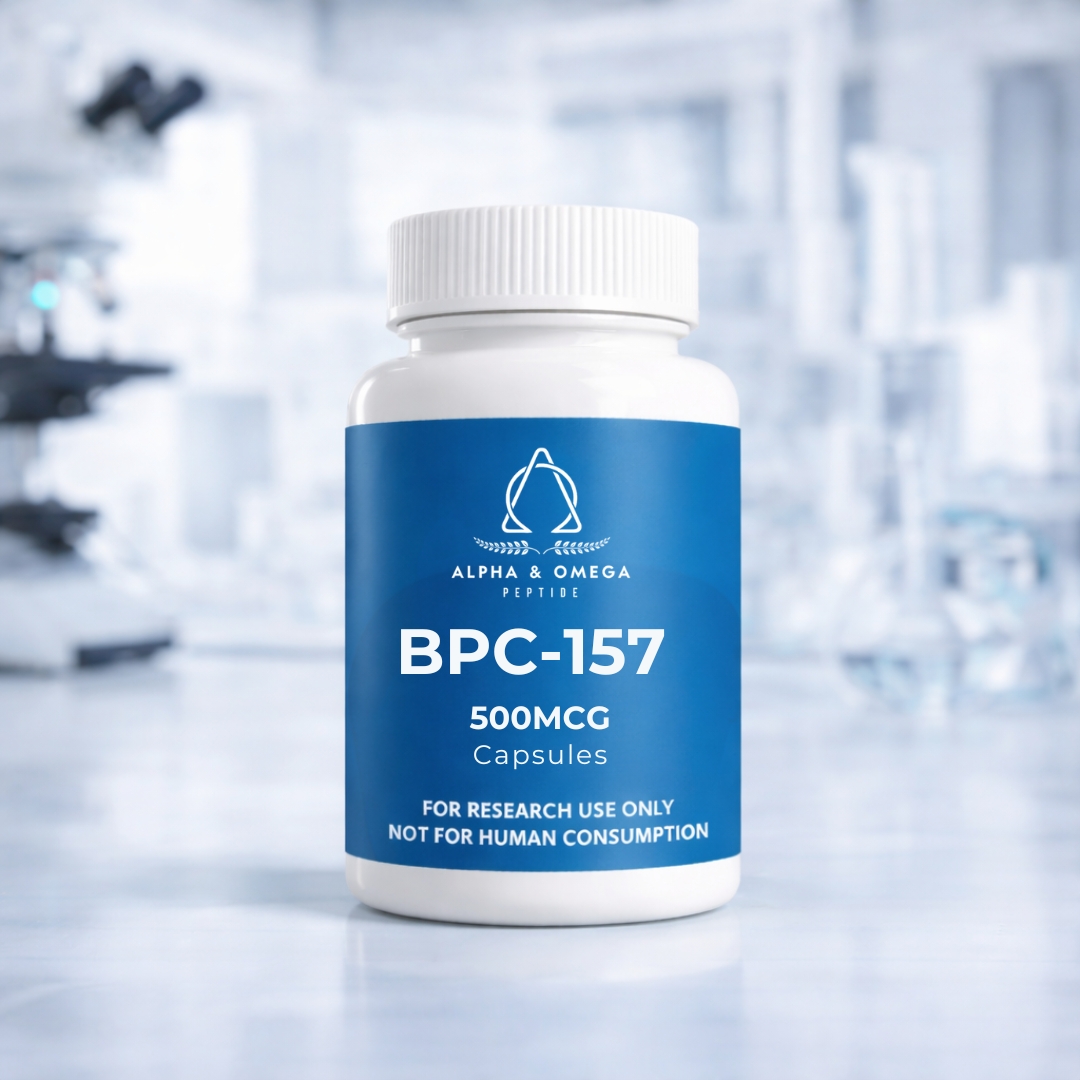
BPC-157 is a peptide sequence that appears in online supplement discussions as a “cell-signaling” type compound. When sold as tablets (or capsules), it’s marketed for oral use—often with claims about supporting recovery pathways. However, the most important detail for your safety question is this: the category is not standardized like mainstream nutraceuticals.
Who it might fit best: Men 35–44 who already understand basics like label verification, third-party testing, and stopping rules if they feel unwell. It may be considered by people who want a non-injection routine and are comfortable evaluating products like a consumer (COAs, batch numbers, and ingredient transparency).
Who should be extra cautious: Anyone with a complex medical history, active infection, unexplained symptoms, a cancer history that’s being medically monitored, hormone-sensitive conditions, or who takes multiple prescriptions. If you’re thinking “I’m just going to try it,” that’s precisely when quality control matters most.
Practical Benefits and Where It Falls Short
Let’s keep expectations realistic. Many buyers describe “comfort” improvements—sometimes around minor aches or perceived recovery speed—typically during the first couple weeks. But “feels better” is not the same as “proven.” The gap is where safety can get messy, because people may keep taking something that doesn’t actually deliver meaningful benefits while side effects accumulate.
One personal experience case (tolerability, not a guarantee): I tried a BPC-157 tablet product for 14 days, primarily for training recovery after a stubborn forearm tendon flare. I chose a batch that listed a COA and a clear labeled amount per serving. My routine was conservative: I started at the lowest suggested dose on the label and stayed consistent with timing. By about day 10, I noticed less “awareness” of discomfort during light workouts and better day-to-day stiffness. I did not treat this as proof of efficacy—because placebo effects and natural recovery timelines are real—but in my case, it felt tolerable with no obvious side effects.
Where it fell short: my improvements weren’t dramatic, and they didn’t “fix” the tendon problem outright. When I stopped after the 2-week window, comfort gradually returned to baseline. That outcome doesn’t mean BPC-157 “fails”—it means the consumer experience may be subtle and not lasting, and you may not want to spend ongoing money without stronger evidence.
One negative case (safety + quick stop scenario): A friend in the same age bracket tried an oral BPC-157 product from a different seller. Within the first 5–7 days, he reported nausea and an unsettled stomach after doses, plus a “head heavy” feeling that made him skip workouts. He also couldn’t easily confirm batch testing details. He stopped immediately and told me the timing lined up with taking the supplement. He didn’t describe severe symptoms requiring emergency care, but it was enough to end his trial. The big lesson: even if something is sold as a tablet (often perceived as “safer”), you can still have an adverse reaction—and product uncertainty can compound the risk.

What Research Suggests and What It Doesn’t
When people ask “Is BPC-157 tablet safe based on research?” they’re often hoping for a clean answer. Unfortunately, the evidence base is not the same as mainstream clinical supplements. Much of the mechanistic discussion comes from preclinical work, while human data is much thinner.
What research suggests (in general terms): BPC-157 has been studied in non-human models for potential roles in recovery-related pathways. That’s interesting, but preclinical signals are not safety guarantees in humans, and they don’t automatically translate to oral tablet outcomes.
What it doesn’t answer well: Long-term safety in humans, consistent dosing standards across brands, and whether oral tablet formats reliably produce the same effects people expect from other routes. Also, “safe” depends on what else is in the product—binders, fillers, contaminants, and dosing accuracy.
Risk framing: If you’re evaluating safety, treat this like a “probabilistic” decision rather than a binary one. The safest practical approach is: choose a product with strong quality signals, use conservative dosing, avoid combining with many new substances, and stop at the first sign of concerning side effects.
Ingredients, Formats, and Quality Signals
BPC-157 is commonly sold in several consumer-friendly formats. Below are typical options you’ll see:
- Tablets / capsules (oral): Most often labeled in micrograms (mcg) per dose.
- Sublingual products: Marketed for absorption under the tongue.
- Injectable vials (alternative route): Usually sold for users comfortable with injections.
- “Blends”: Some sellers pair peptides with other compounds; these raise additional safety variables.
Ingredients: A “tablet” rarely contains only peptide. You may also see carriers, excipients, or capsule shells. Safety depends on the complete formulation—especially if you have sensitivities to binders, dyes, or certain excipients.
Quality signals worth prioritizing:
- Clear labeling of amount per serving and serving size
- Third-party testing or a transparent Certificate of Analysis (COA) for the exact batch
- Batch number traceability
- Ingredient list for non-peptide components
- Reasonable storage and handling guidance
In a practical consumer review, I also look for consistency: if a seller can’t explain labeling, testing, or shipping conditions clearly, that’s a red flag for both safety and value.
Comparison of Common Options
| Format | Typical Dose/Use | Pros | Cons | Cost | Best For |
|---|---|---|---|---|---|
| Tablet / capsule (oral) | Often microgram-per-day labels; start low per label | No needle routine; easier for beginners | Oral absorption and dosing consistency may vary by brand | Varies widely by seller and COA quality | People prioritizing convenience and conservative trials |
| Sublingual drops/films | Small measured servings under tongue; follow label | May feel more “direct” than swallowing tablets | Still depends on purity/testing; results are not guaranteed | Often priced between tablets and injectables | Buyers who prefer non-injection but want measured use |
| Injectable (alternative route) | Dose per vial; administration varies by user protocol | Route can be more controlled when done properly | Higher execution risk (technique, sterility); not “automatically safer” | Can be cost-effective per mcg, but supplies add cost | Experienced users who can manage sterility and technique |
| “Pre-mixed” blends | Multiple compounds per serving; follow label | Convenient if you wanted a stack anyway | Harder to tell what caused side effects or lack of benefit | Often premium pricing | People with prior tolerance to each component |
| Non-BPC alternatives (general category) | Varies by product; focus on conventional ingredients | May have more familiar safety profiles | May not match BPC-157-specific claims | Often easier to compare pricing | People who want a lower uncertainty approach |
Buying Framework and Red Flags
If your core question is “Is BPC-157 tablet safe to buy?” the buying process matters as much as the product itself. Here’s a checklist I’d use as a consumer reviewer.
- Verify batch testing: Look for a COA that matches the batch number on your specific product.
- Check labeling clarity: Amount per serving, serving size, and storage guidance should be easy to find.
- Confirm full ingredient list: Tablets/capsules include excipients—review for your known sensitivities.
- Be cautious with unusually low prices: “Too cheap” often means weaker testing or weaker sourcing.
- Avoid sellers that won’t show documentation: No testing, no batch detail, or vague “proprietary process” is a risk multiplier.
- Start low and run short: Choose a conservative first trial window (see 2-week framework below).
- Have stop rules: If you get nausea, headaches, dizziness, rash, or anything that feels off, stop immediately.
Extra safety red flags: Missing COAs, conflicting label strengths, no expiration/batch info, and marketing language that implies guaranteed healing. A product can be “legal to sell” in a niche market while still being risky due to inconsistent quality.
Common Mistakes and How to Avoid Them
- Skipping COA checks: The fastest way to increase risk is to assume “peptide = peptide.” Your tablet is a product, not a raw material.
- Overlapping too many new supplements: If you combine BPC-157 with multiple changes, you can’t tell what’s causing side effects or what’s helping.
- Extending trials indefinitely: Even if you feel okay, “no obvious problems” isn’t proof of long-term safety. Use a short personal experiment first.
- Ignoring basic dosing conservatism: Starting at the lowest label dose isn’t about optimism—it’s about reducing your exposure during the uncertainty period.
- Expecting a cure: Recovery support is not a guarantee. If your discomfort persists or worsens, you need a real clinical evaluation rather than stacking more compounds.
FAQ
Is BPC-157 tablet proven to be safe in humans?
Human evidence is limited compared with approved medications, so there isn’t strong, definitive safety proof for routine use. Safety expectations should be based on conservative dosing, quality verification (batch testing), and your own tolerability rather than the idea that “tablets are automatically safe.”
How long does it take for BPC-157 oral or tablet effects to show?
Consumer reports vary, but many people who notice any changes tend to describe a window of days to a couple of weeks. Still, changes in pain and recovery can happen naturally with rest, training adjustments, and placebo effects—so use a short trial and track outcomes.
What side effects should I watch for with BPC-157 tablets?
Commonly reported issues in anecdotal accounts include nausea, headache, dizziness, or stomach discomfort. Stop immediately if you experience anything concerning (rash, swelling, persistent vomiting, severe dizziness), and avoid “pushing through” unpleasant symptoms.
Can I combine BPC-157 with other supplements or recovery products?
You can, but it increases uncertainty. If you want safety clarity, add only one variable at a time. Avoid combining with many new compounds during the first 2-week trial so you can identify what causes side effects.
Is BPC-157 oral safer than injection or other alternatives?
Oral routes are often perceived as gentler because they avoid needle-related risks, but “oral” doesn’t remove uncertainty about purity, dosing, and individual reactions. Injection adds execution and sterility concerns; alternatives may have different evidence and excipient profiles. In all cases, quality and personal response matter most.
A Practical 2-Week Experiment Framework
This framework is designed to answer the real question behind your keyword: “Is BPC-157 tablet safe enough for me to continue?” It’s not a treatment plan, and it won’t establish medical truth—but it can reduce decision confusion.
- Day 0 (setup): Choose one product with clear labeling and batch testing signals. Decide your lowest label dose. Write down baseline: discomfort level (0–10), sleep quality, digestion comfort, and training tolerance.
- Days 1–3 (sensibility check): Take the lowest dose and pay attention to nausea, headaches, dizziness, stomach upset, or unusual mood/energy changes. If something feels clearly wrong, stop.
- Days 4–7 (stability): Keep the routine consistent. Don’t add other new supplements. If you notice consistent side effects after dosing, stop.
- Days 8–14 (value check): Evaluate whether there’s any meaningful change in how you function during normal life and workouts. If there’s no noticeable value by the end of two weeks, don’t assume “more time” automatically fixes it—decide whether to discontinue.
- Stop or continue rule: If you had no side effects but also no functional benefit, stop and reassess. If you had side effects, stop and do not “re-challenge” without understanding the cause.
Safety note for men 35–44: If you’re also managing blood pressure, blood sugar, cholesterol, or hormone-related concerns, the conservative approach is especially important because you may already be more sensitive to changes in physiology. Keep your trial simple.
About the Author
Jordan Park, Supplement Review Editor — I’ve spent the last 8+ years editing consumer-oriented reviews focused on supplement transparency, ingredient traceability, and practical user testing (dose timing, tolerability, and outcome tracking). My approach is objective and safety-first: I prioritize batch testing evidence, clear labeling, and stopping rules. I also publish “failure case” write-ups when products didn’t agree with users, because that’s often the most useful information for readers asking “Is BPC-157 tablet safe?”
Disclaimer: This article is for informational purposes only and reflects a cautious consumer perspective. It does not diagnose, treat, or cure any condition. If you have medical concerns or take prescription medications, consult a qualified healthcare professional before using any peptide product.
Discussion